FeLV: Facts, Fiction, and Fulfilling Lives
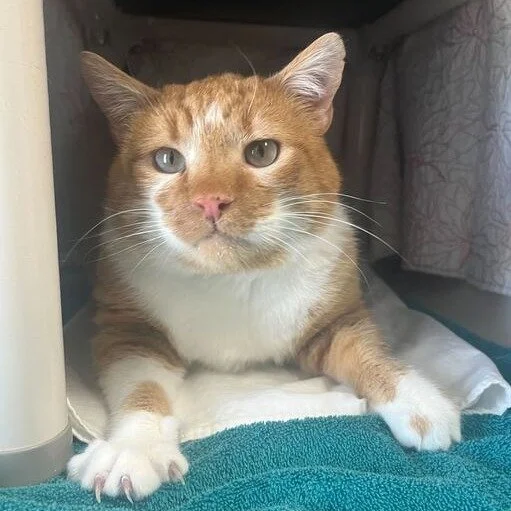
FeLV is an uncommon but not unheard-of illness among shelter cats. For a long time in animal welfare, cats with an FeLV positive diagnosis had extreme difficulty getting adopted, to the point where euthanasia became the most common outcome for them. Recent research shows that this need not be the case. Cats with FeLV can live happy, fulfilled lives in the right homes!
FeLV stands for Feline Leukemia Virus. While the word ‘leukemia’ can be scary, as it often makes people think of cancer, FeLV primarily affects a cat’s immune system, making it harder for them to fight off illness. Think of cats who are positive for FeLV as immunocompromised. Low white blood cell counts make it easier to contract infections and other diseases. With a little extra care and attention, FeLV-positive cats can remain healthy!
The virus is contagious to other cats, but not other animals. Dogs, hamsters, reptiles, and humans are all safe. FeLV spreads through saliva and bodily fluids. Cats who share bowls, groom each other, fight, or are in consistent contact are at risk for spread. We recommend that FeLV-positive cats live as the only cat in the home, or with other positive cats. They should always remain indoors to prevent the spread of the disease.
Adopting a cat with FeLV does not guarantee higher vet bills, as many assume. FeLV cats are generally healthy! They are just more susceptible to illness and tend to get sicker faster than other cats. While this virus can play a role in cats developing certain types of cancer, it is much more common for them to get sick with common illnesses such as kitty colds, allergies, or infections. Because there is no specific treatment for FeLV itself, care focuses on routine wellness and treating illnesses as they arise—much like any other cat.
While FeLV cats often have a shorter average lifespan– research suggests between 2 and 6 years after their diagnosis– many live for years with a good quality of life. Some even live well beyond expectations, thanks to excellent care.
Current research suggests that between 2% and 3% of cats in the US are infected with FeLV. This number is likely underreported, since high-risk populations of free-roaming colony cats cannot be accurately counted or diagnosed. If your cat goes outside, we recommend vaccinating them against FeLV.
If you are considering adopting an FeLV+ cat, which we absolutely recommend, it is crucial to ensure their environment is as stress-free as possible. Things like being in a quiet home, separated from stressors such as other animals they don’t get along with, and having predictable routines.
Adopting an FeLV+ cat is saving a life. These cats still tend to have longer wait times in shelters, due to myths and fear surrounding their diagnosis. They need homes that understand them and owners who love to save pets in need. If you can cover the cost of regular vet visits, ensure that your kitty will remain indoors only, and are able to provide the kitty with love, you meet the criteria for giving one of these wonderful kitties a great life.
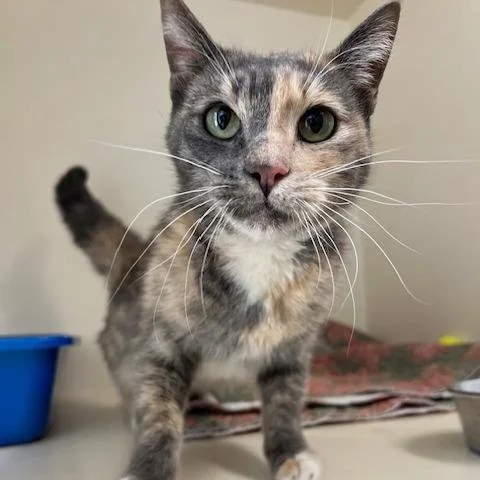
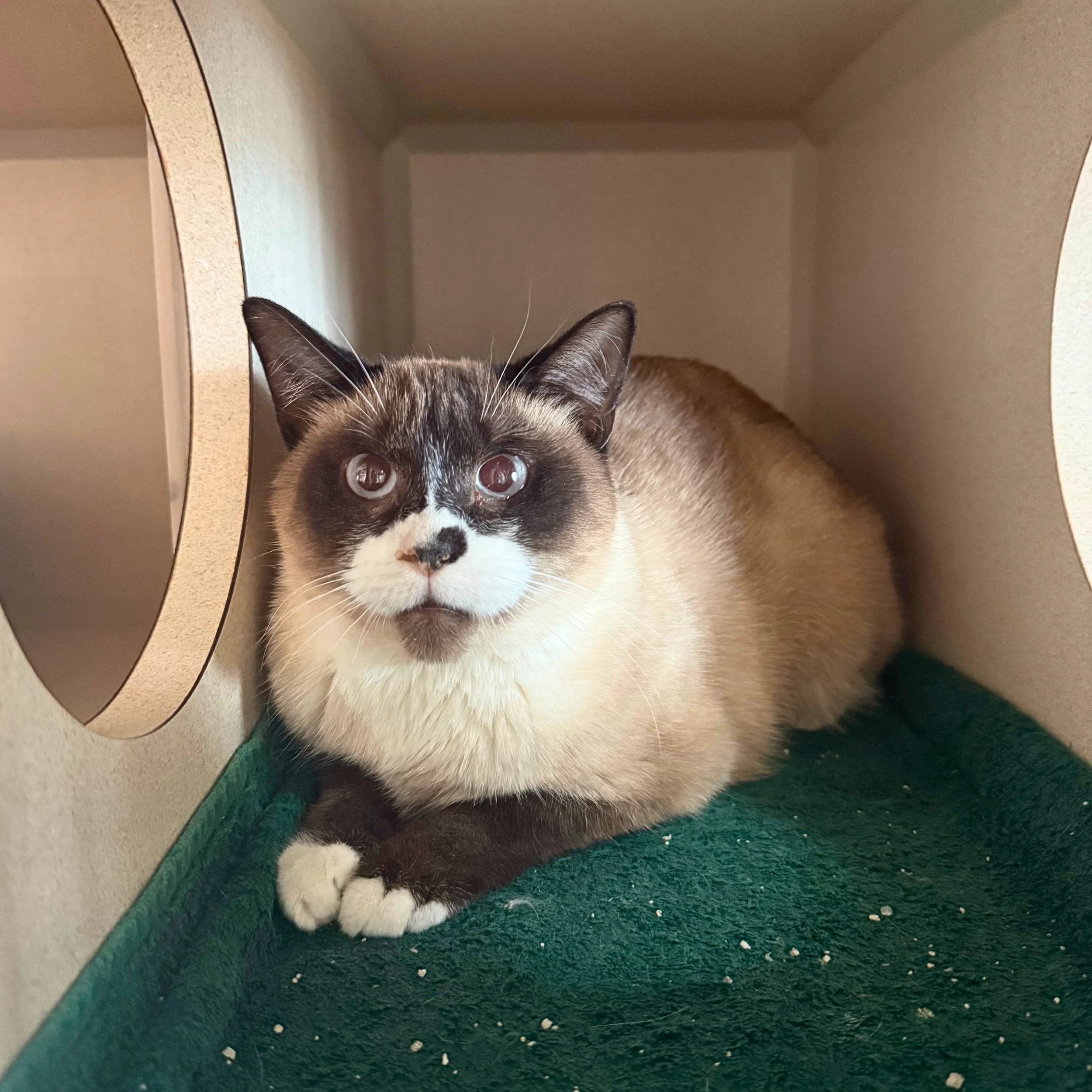
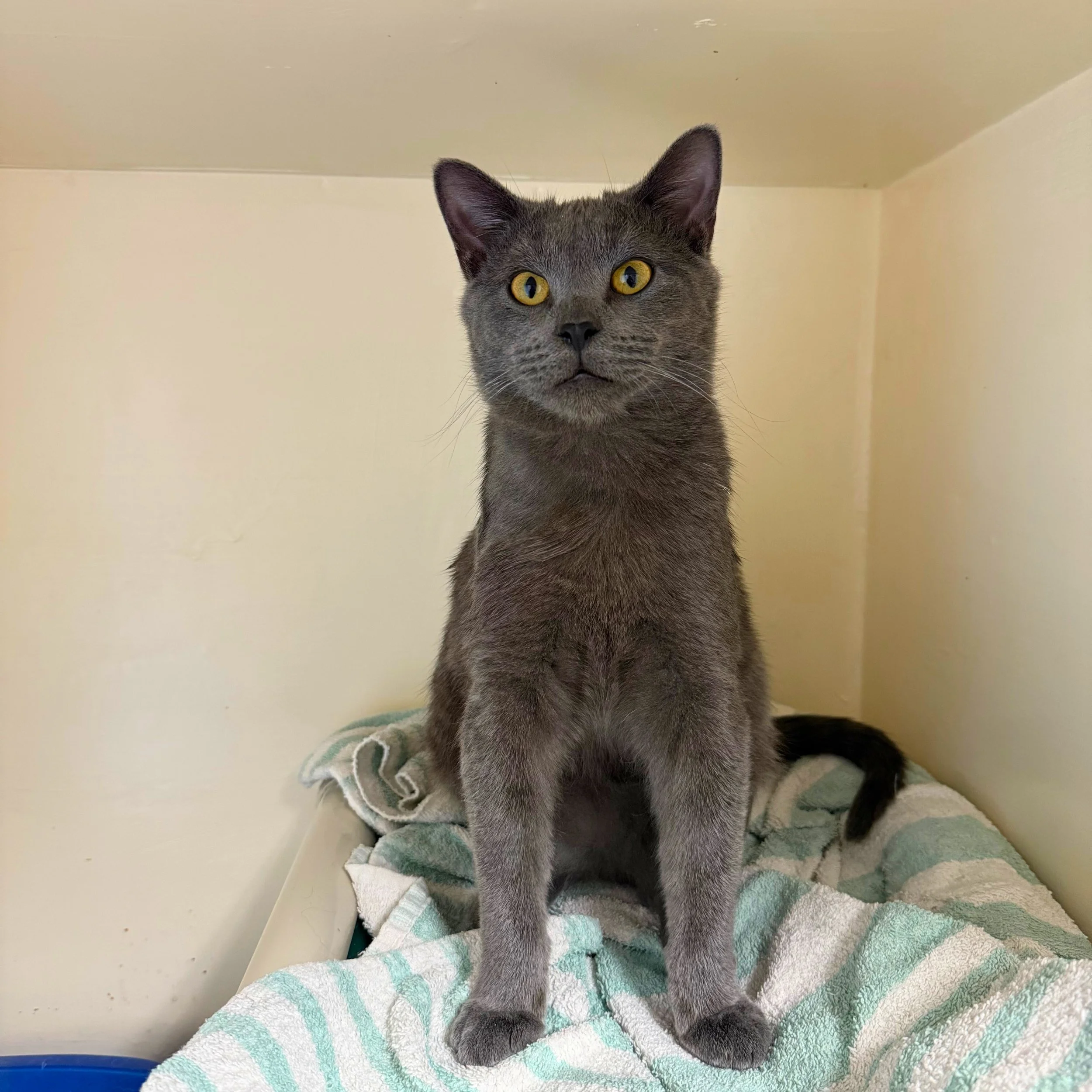
Some, like Maggie and Cheeto, get adopted quickly. Others, like Ron and Hermione, are still waiting! An FeLV diagnosis doesn’t define who a cat is—it just means they need someone willing to give them a chance.
Since 1994, the Animal Resource Center and the Shops of Second Chance Humane Society have been dedicated to serving animals in Southwestern Colorado. Our adoption hours are every day from 11 a.m. to 5:30 p.m. We are located at 177 County Rd 10, Ridgway, CO. You can view our shelter pets and services online at secondchancehumane.org.