Why We Have Fewer Animals
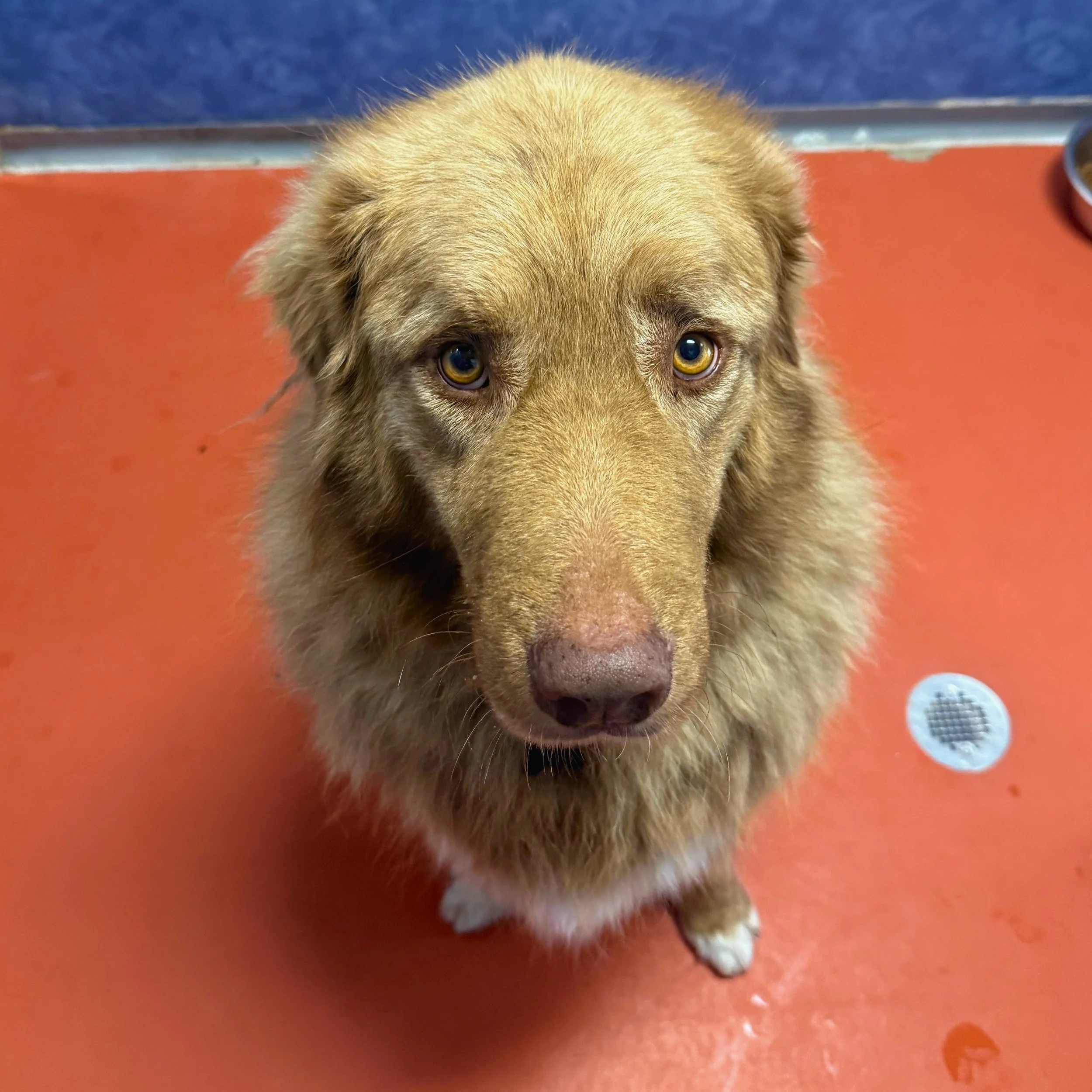
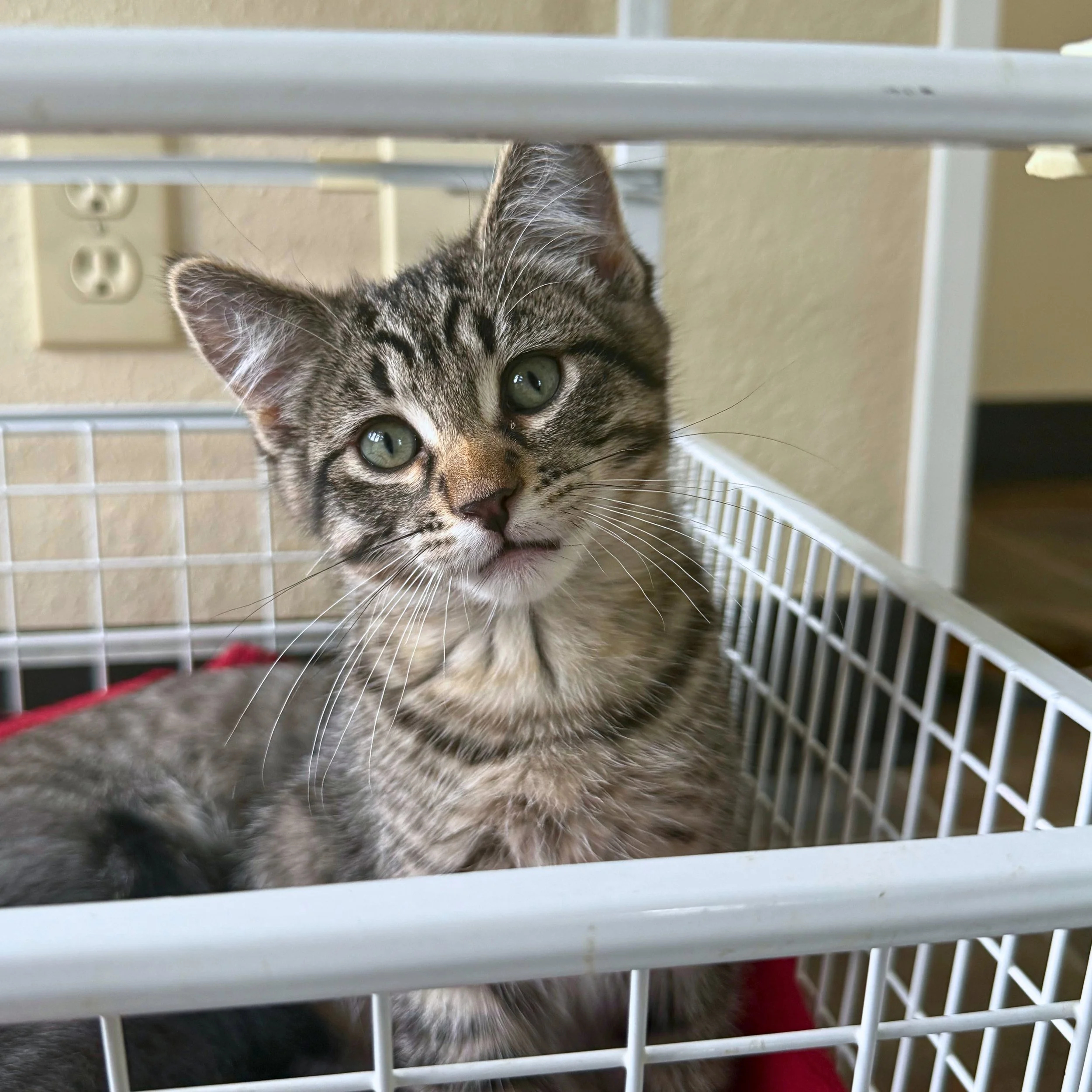
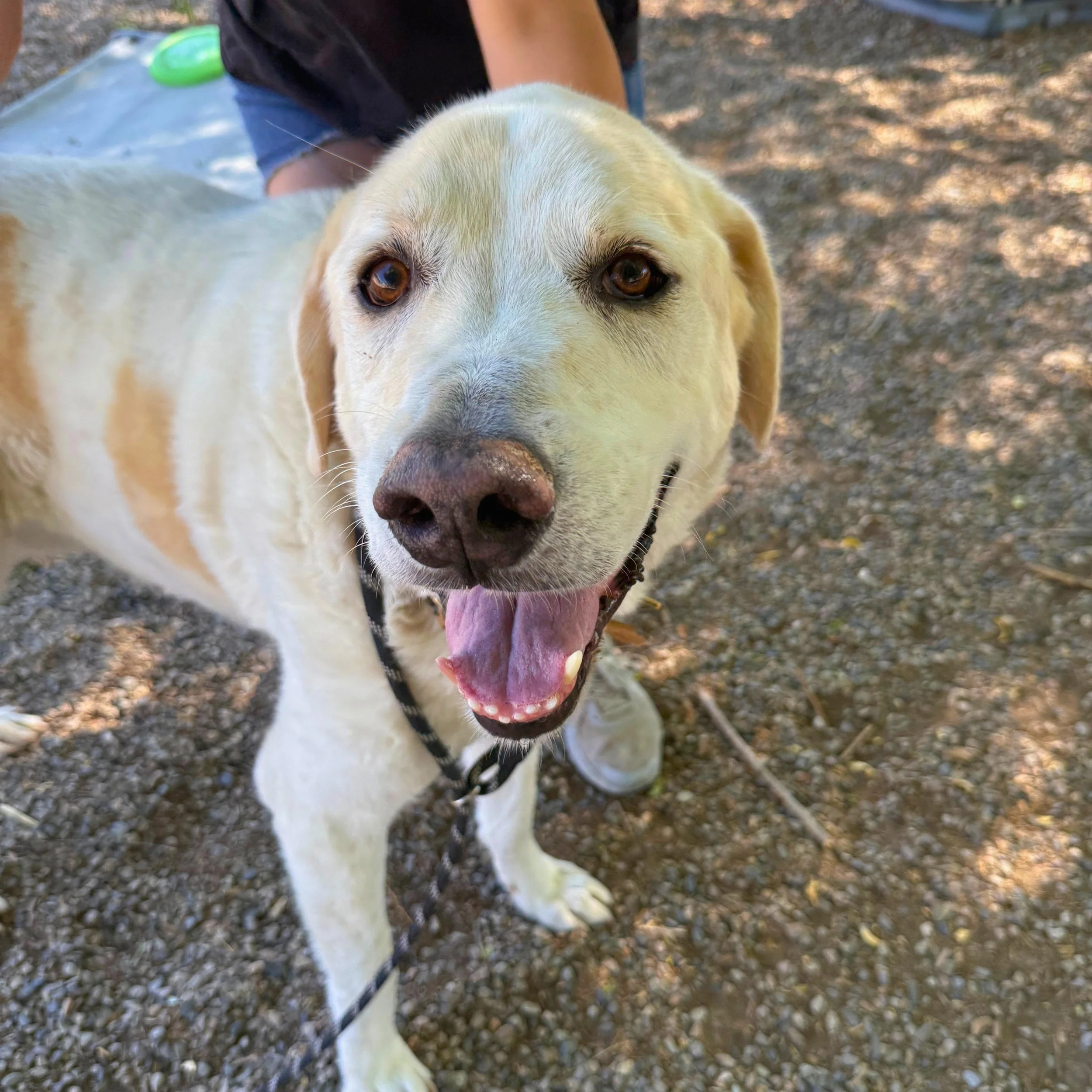
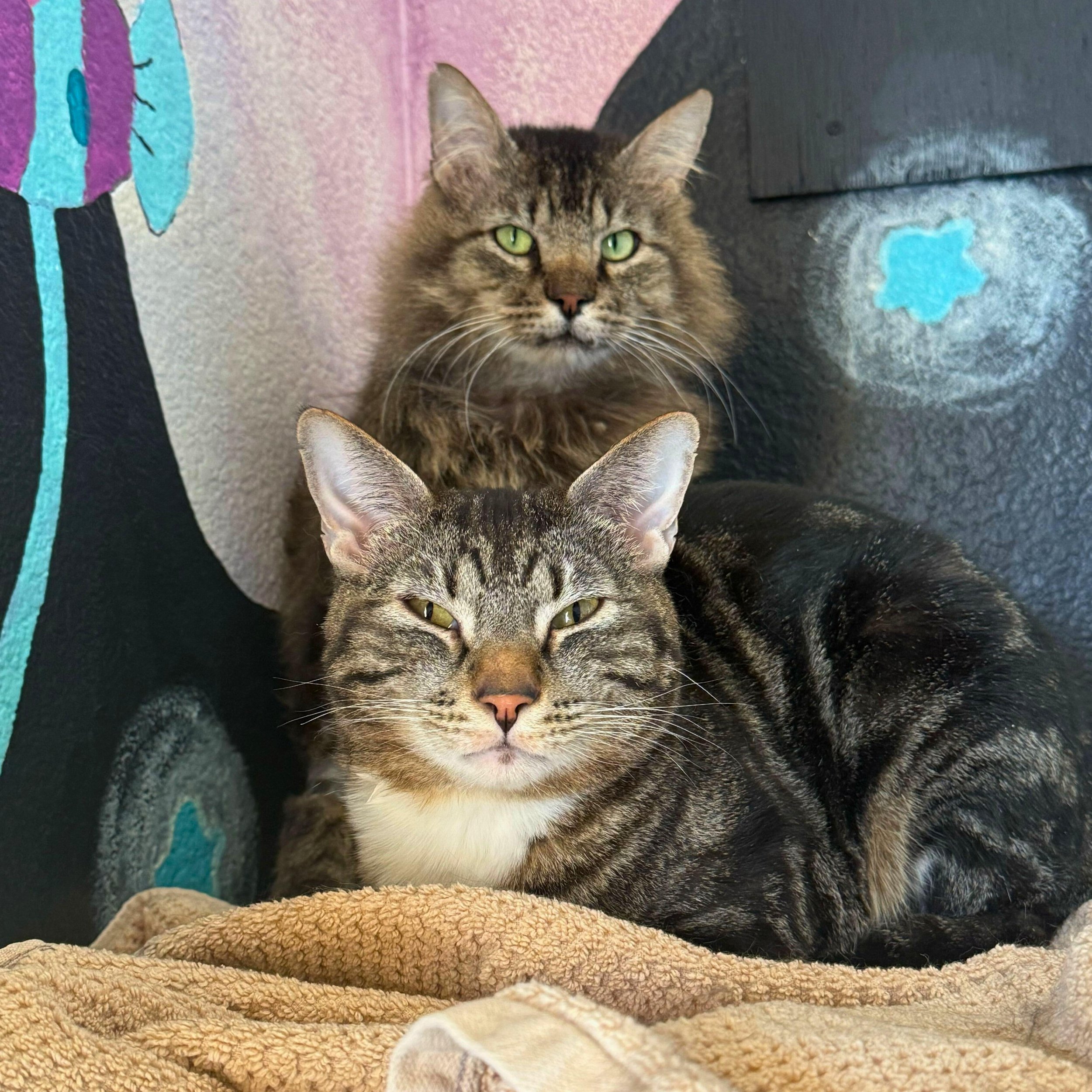
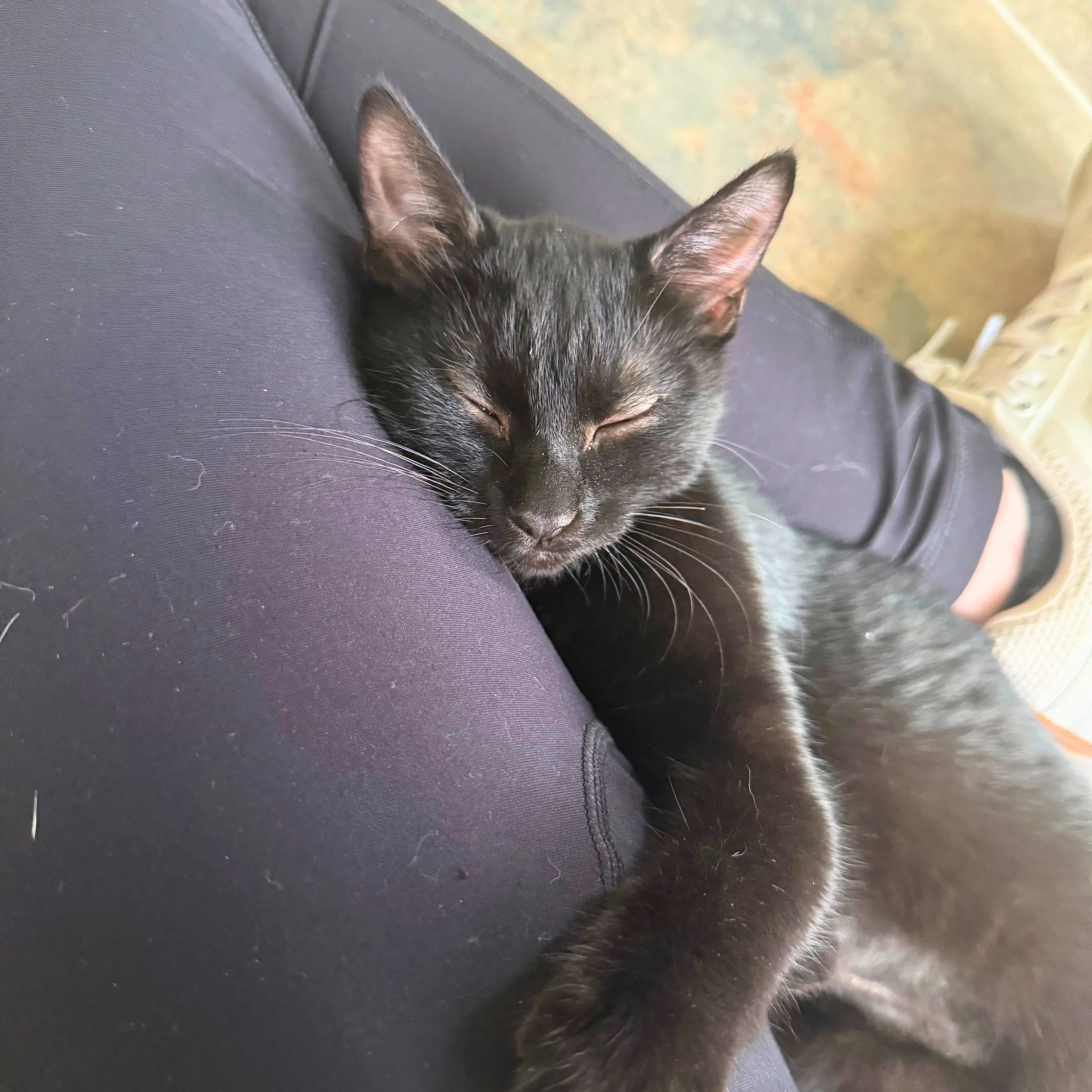
You may have noticed over the last few months that the population of available animals at Second Chance has decreased. Instead of ten to fifteen adoptable dogs and twenty to twenty-five adoptable cats, we now have five to ten adoptable dogs and ten to fifteen adoptable cats. In some way, the Gold Mountain Fire helped with this population change; many of our animals were adopted by their fosters or remained in their care for extended periods. On the other hand, shelter management made this conscious decision to balance the number of adoptable animals with the human population in our area.
Sheltering animals is not a solution to animal welfare problems. Overall, pets degrade more quickly– physically and emotionally– in a shelter environment than in a home. Stress, frequent changes, and unfamiliar people, animals, and situations can all take a toll. The longer an animal stays, the more likely we are to see changes in their behavior. Unfortunately, behaviors that develop from shelter stress can make an animal less appealing to adopters, causing them to stay even longer. It can become a difficult cycle.
Second Chance firmly believes that our goal is not simply to shelter animals, but to keep them from needing to be sheltered in the first place. To that end, we want our animal population to match the number of adopters we have access to. We don't want to warehouse animals that may spend weeks or months in a shelter simply because there aren't enough homes available.
Ridgway has only around 1,200 people, and Ouray County has about 5,000. That means we simply don't have enough local households to operate a huge shelter filled with hundreds of adoptable animals. Many of those animals could spend months waiting for a home, even those without behavioral or medical challenges, because there aren't enough families to adopt them.
One way to think about it: imagine you're hungry for a cupcake and walk into a room overflowing with thousands of cupcakes. Countless types, flavors, frostings, and decorations. With so many choices, deciding which one to pick might become so overwhelming that you simply leave without choosing anything. Now imagine being offered a plate with six cupcakes. Suddenly, choosing feels much easier.
Adoptions work in much the same way. There is a balance between not having enough choices and having too many. With a human population of 1,200 in Ridgway, we don't need 100 adoptable dogs at Second Chance, but four might not be enough, either. We're working to find that sweet spot: enough animals to give adopters meaningful choices, but not so many that animals spend unnecessary time in the shelter.
This approach isn't about having fewer animals for the sake of having fewer animals. It's about improving outcomes for the animals who come through our doors. By keeping shelter populations manageable, reducing length of stay, and supporting foster and adoption opportunities, we can help more animals experience what they truly need: a safe, stable home.
Our goal isn't to have a full shelter; it’s to have fewer animals who need one.
Since 1994, the Animal Resource Center and the Shops of Second Chance Humane Society have been dedicated to serving animals in Southwestern Colorado. Our adoption hours are every day from 11 a.m. to 5 p.m. We are located at 177 County Rd 10, Ridgway, CO. You can view our shelter pets and services online at secondchancehumane.org.