Trick or Treat: Toxic Foods for Pets
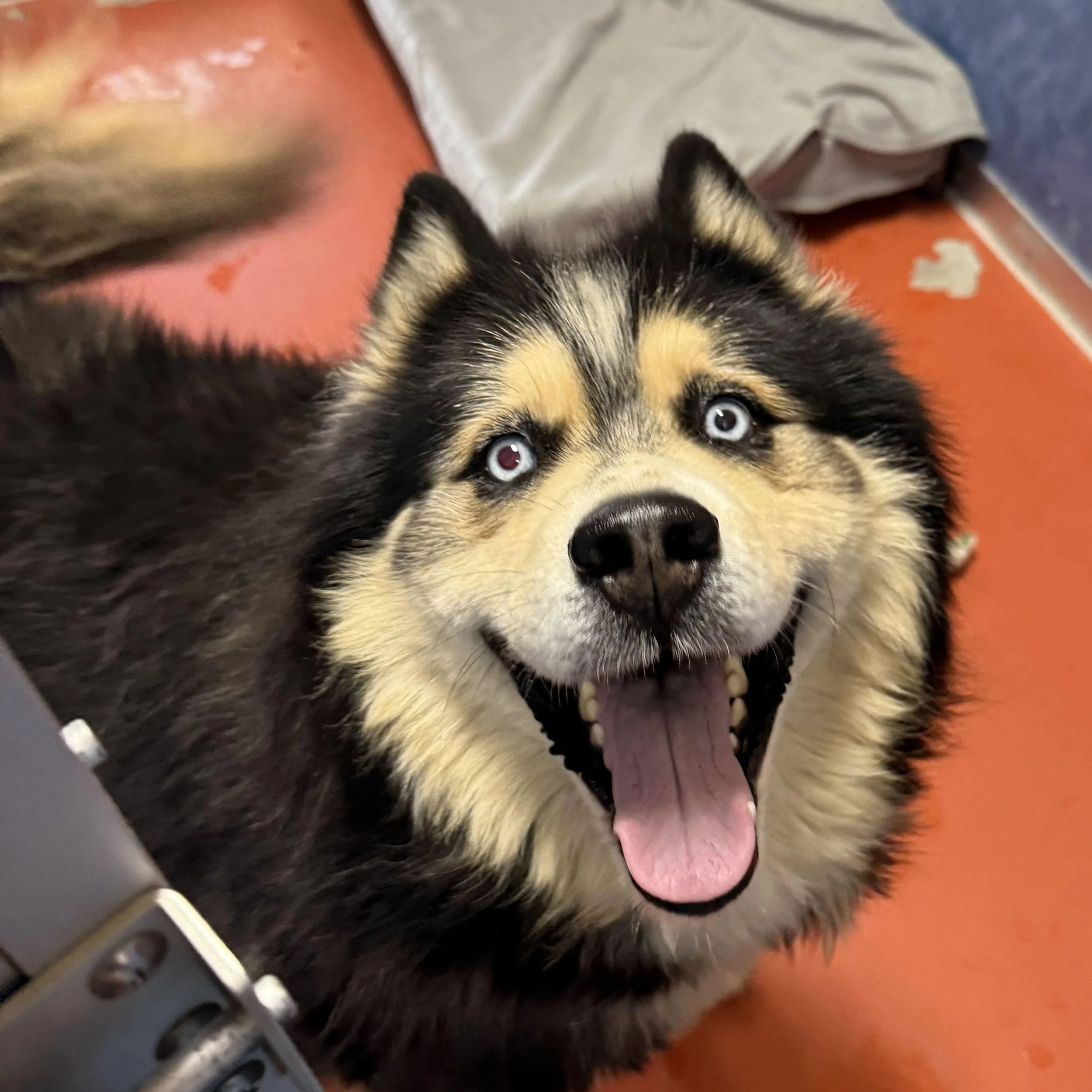

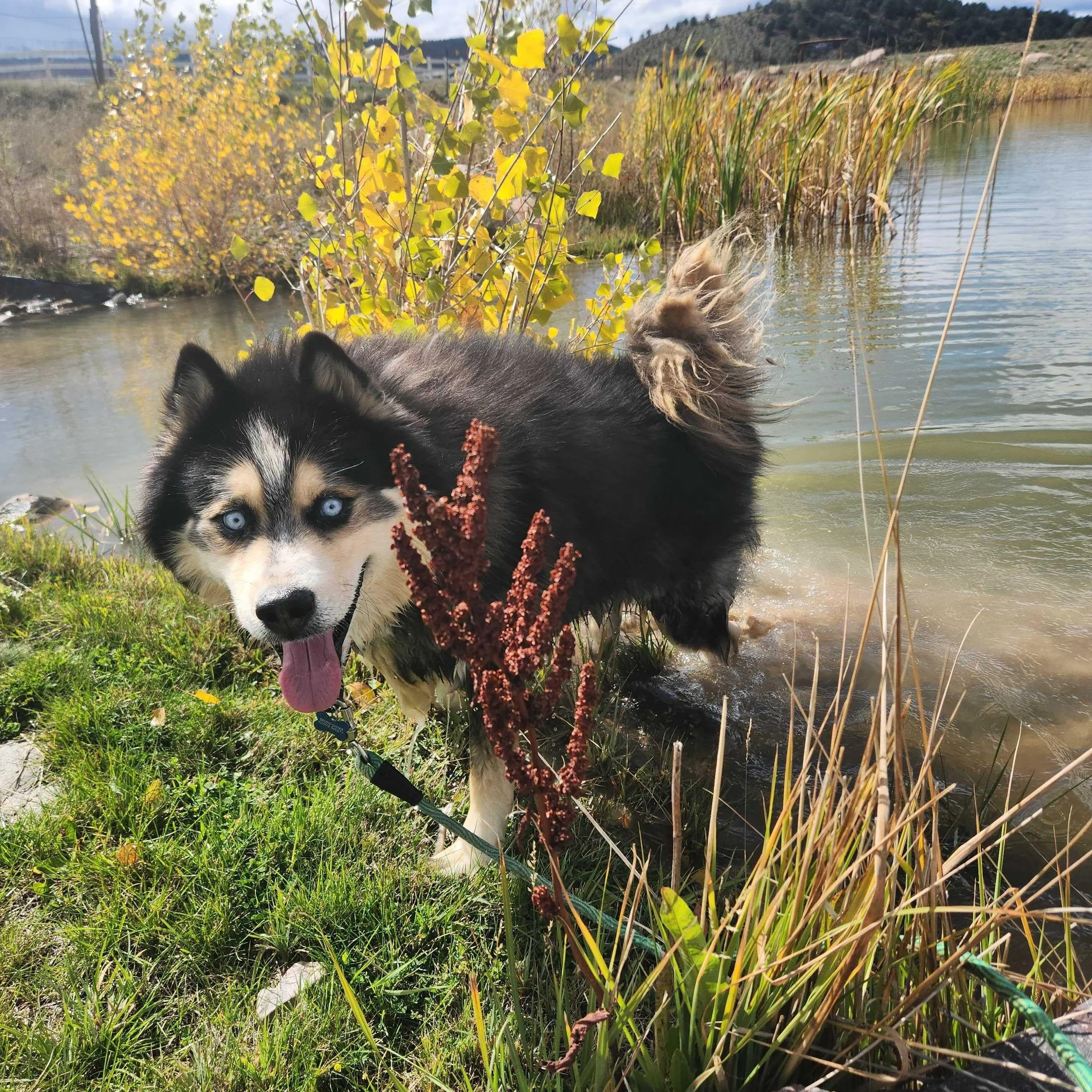
Reggie is a sweet, playful senior boy. He has a big personality and would love to find a home that can keep up with him and give him all the love he deserves!
With Halloween coming up this weekend, chocolate is on everyone’s mind, including ours! Most people know that as delicious as chocolate is to us (most of us, anyway), it is extremely toxic for dogs and cats, but there are many common household food items to keep away from our furry friends. In this column, we’ll discuss some of the most dangerous foods for dogs and cats and offer healthy, pet-friendly alternatives for those who just can’t resist sharing!
Your pet doesn’t have what we humans call a sweet tooth. Keep them away from all candy and gum. Many of these products include a sweetener called xylitol, which is toxic to pets even in low amounts. Xylitol causes lethargy, vomiting, can progress to seizure activity, and can cause liver damage.
Beware of everyday foods. Some foods we consider healthy may be unsafe for our pets. Onions, garlic, and chives are members of the Allium family and are toxic to cats and dogs, though cats are more susceptible. They can cause red blood cell damage, anemia, and gastrointestinal irritation. Grapes and raisins can cause kidney failure in dogs, due to their tartaric acid content, which they cannot process. Despite the familiar image of cats lapping up milk, dogs and cats don’t actually have enough lactase (the enzyme that breaks down lactose in dairy products) to process it, so dairy can cause them stomach upset and diarrhea. Water is the best choice for keeping them hydrated!
Nuts, with their high amounts of fat and oil, can cause vomiting, diarrhea, and even pancreatitis. Macadamia nuts specifically are dangerous for dogs, with symptoms of tremors, weakness, hypothermia, and depression appearing within 12 hours of ingestion. Another group of foods to avoid is raw and cooked animal bones. They may break teeth, cause choking, or lead to intestinal blockages and injuries. Even if sharing a bone seems like a natural treat, it’s best to choose safer alternatives.
Some of the beverages we love are also dangerous– namely coffee, energy drinks, and alcohol. Alcoholic beverages cause a wide range of side effects, depending on the amount and type ingested, but some include vomiting, diarrhea, coma, tremors, difficulty breathing, and even death. Coffee (and caffeine in general) contains methylxanthine, the same toxic ingredient in chocolate. The greater the caffeine content, the higher the risk of toxicity.
Don’t worry– there are plenty of pet-safe human foods you can share with your furry family members. Dogs can enjoy fruits like apples (seedless/coreless), bananas, plain pumpkin, strawberries, and cucumbers, as well as vegetables such as spinach, broccoli, carrots, and green beans. Most meats are safe and tasty if they are boneless, unseasoned, and cooked through. Cats are obligate carnivores, meaning most of their diet needs to come from animal protein. Small pieces of plain, cooked chicken or turkey are great occasional treats. Some cats may also enjoy a little cooked carrot or green bean. Remember that treats should supplement a balanced diet, not replace it, and always introduce new foods gradually.
As you enjoy Halloween festivities, keep candy bowls, party snacks, and alcoholic drinks out of paw’s reach. If you suspect your pet has eaten something toxic, don’t wait for symptoms to appear; contact your veterinarian or an animal poison control service immediately. With a little extra care, you can keep your furry family members safe while everyone enjoys the spooky season.
Since 1994, the Animal Resource Center and the Shops of Second Chance Humane Society have been dedicated to serving animals in Southwestern Colorado. Our adoption hours are every day from 11 a.m. to 5 p.m. We are located at 177 County Rd 10, Ridgway, CO. You can view our shelter pets and services online at secondchancehumane.org.