
The Catnip Crazies
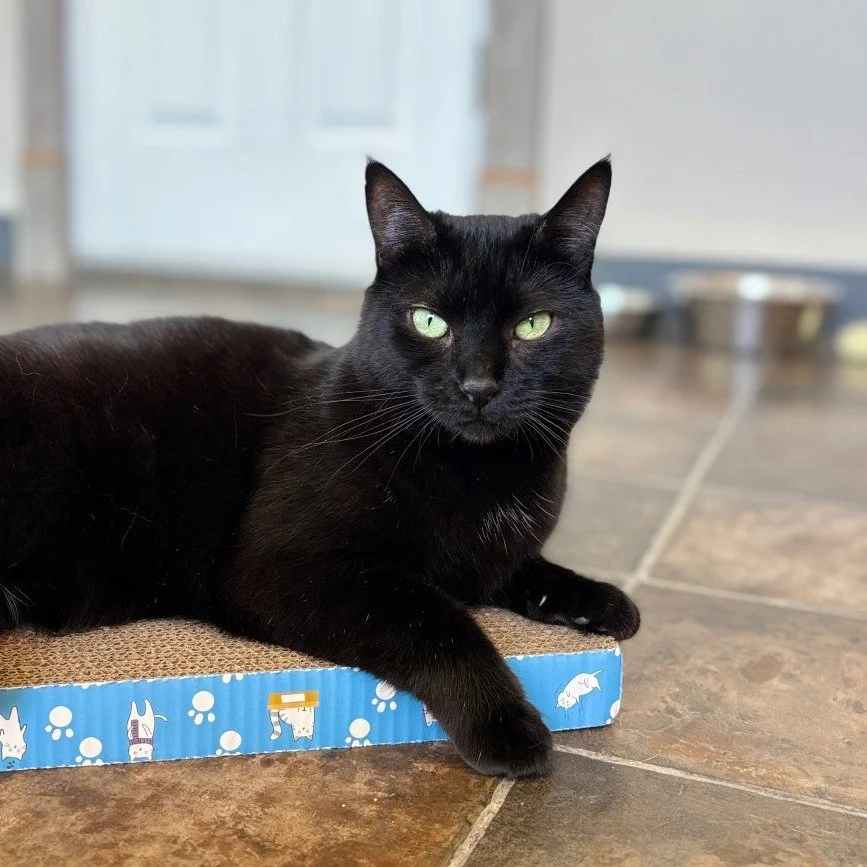
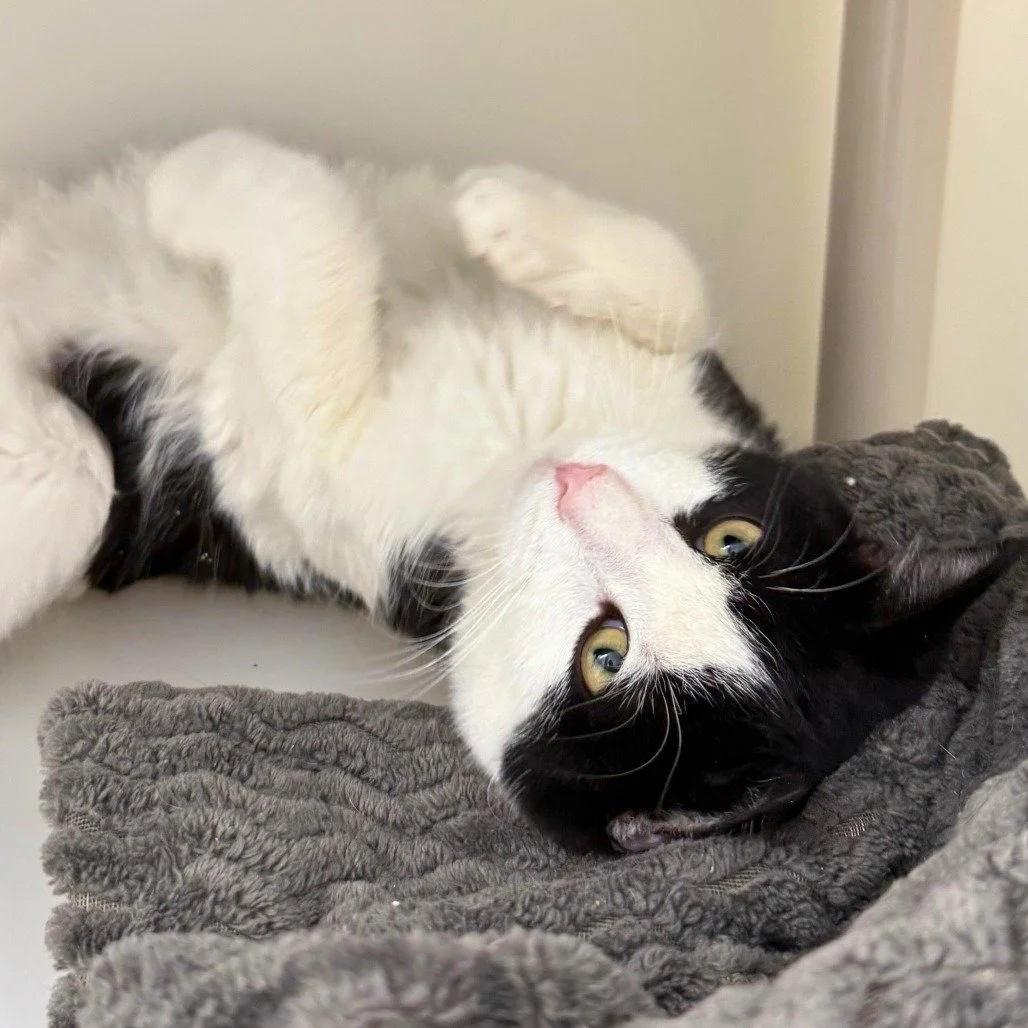
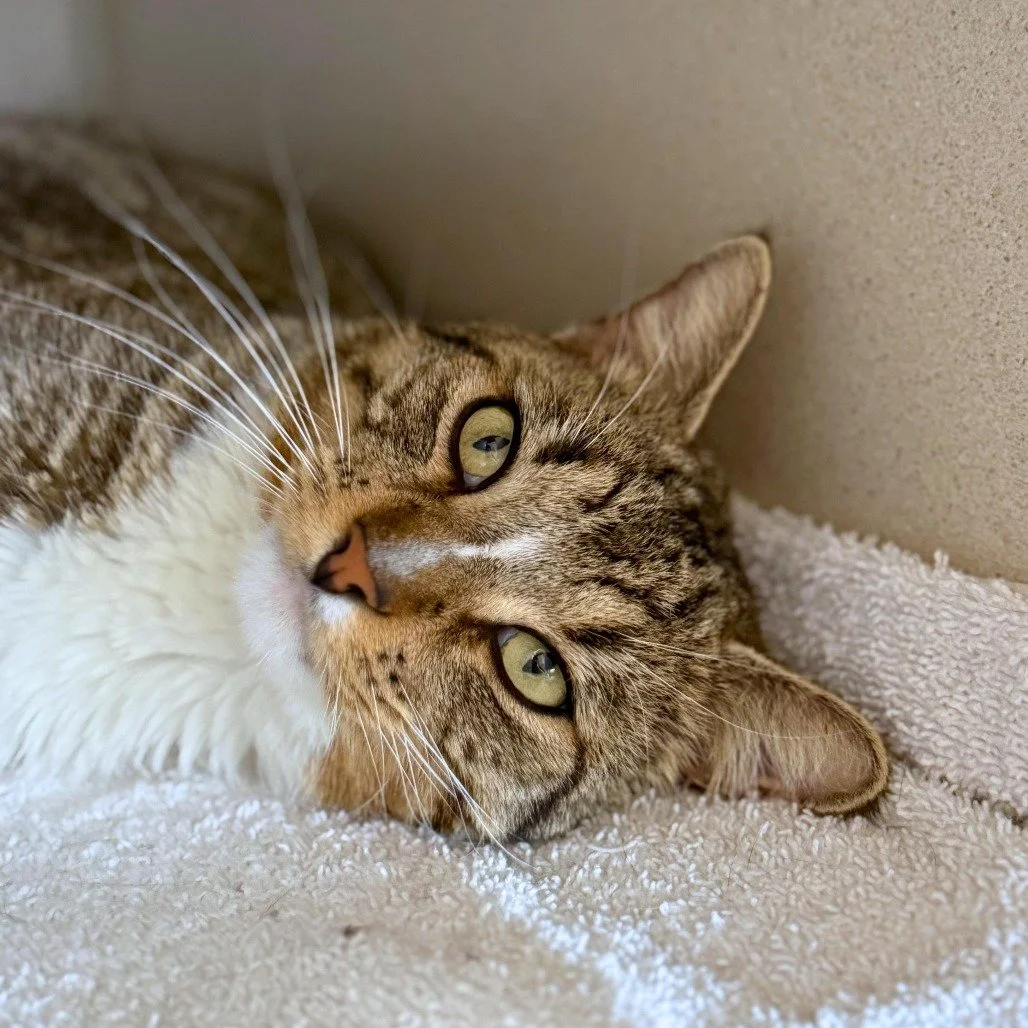
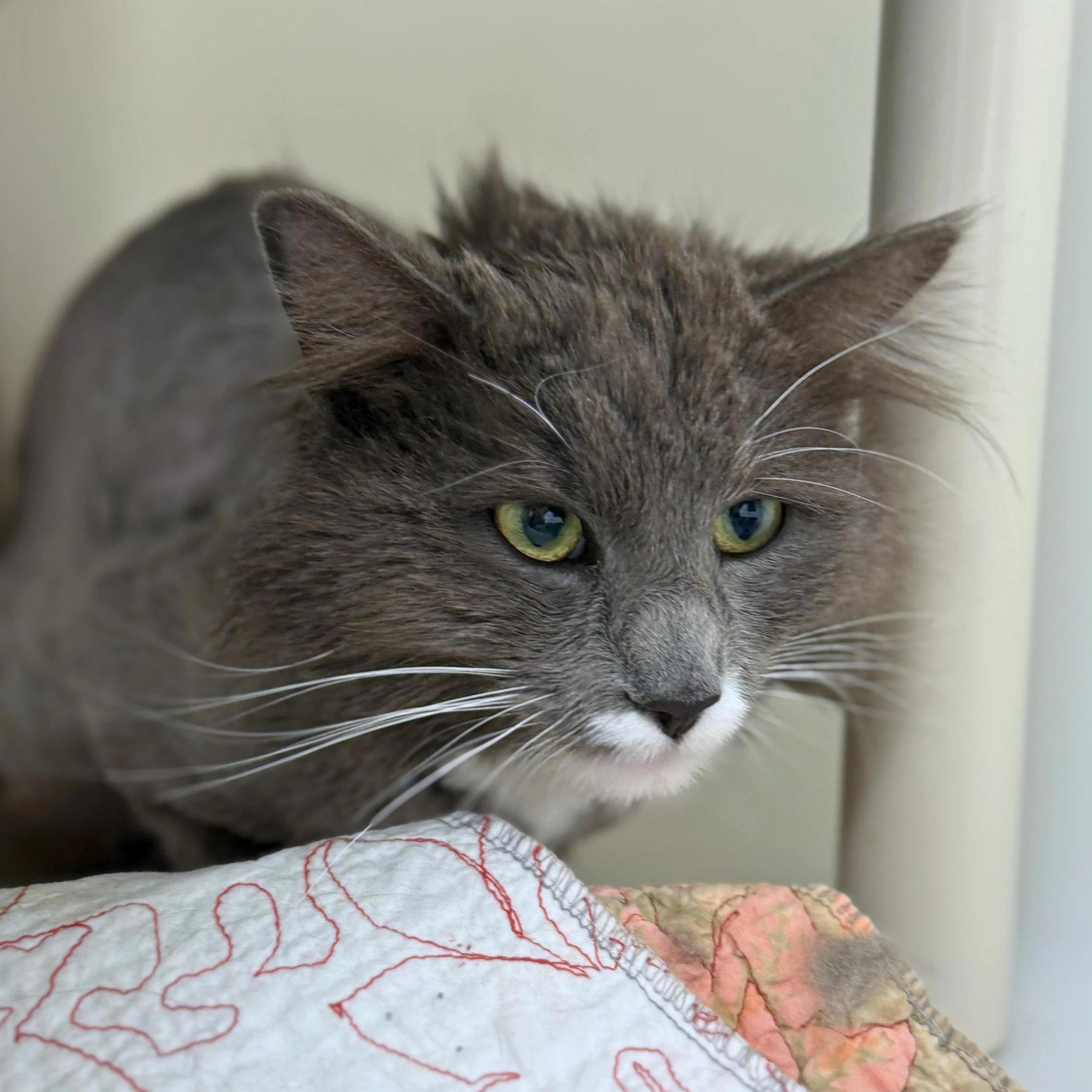
Ah, catnip: the wonder plant, nature’s gift to our feline friends. But what is it, really? The good news for pet owners is that catnip is not addictive and, in almost all cases, completely harmless to cats. Catnip, Nepeta cataria, is an herb from the mint family that originally grew in Europe and Asia but can now be found in North America as well. The leaves contain an essential oil called nepetalactone, which triggers a behavioral response in cats, and even people!
There are two main ways that cats interact with catnip: sniffing and ingesting. When cats smell catnip, nepetalactone stimulates receptors in their noses, triggering a response in brain regions linked to emotion and behavior. So, sniffing catnip results in a brief, euphoric reaction. Cats will often get “zoomies”, purr, rub on the catnip, or roll around. The effects are temporary and tend to last no more than 15 minutes.
When ingested, catnip tends to have the opposite effect. Cats usually become mellow and relaxed. Cats can’t truly overdose on catnip, but GI upset can happen from eating too much, and some cats’ stomachs just don’t agree with the plant. If your cat has a bad reaction to ingesting catnip, opt for sprays or other methods that prevent them from eating it.
Sensitivity to catnip is actually a hereditary trait in cats. Between 50% and 70% of cats carry the gene, but some are genetically predisposed not to respond to catnip at all. Kittens typically don’t respond until they’re 3–6 months old, when this sensitivity develops.
Catnip is a great enrichment activity that prevents boredom and provides mental stimulation for indoor cats. However, catnip is more than just fun– it can be a useful training tool. Sprinkling dried catnip on scratchers can encourage a naughty kitty to use that instead of your furniture. It can soothe anxious cats during car trips or visits to the vet. It can even be a powerful motivator for the chunky feline who needs a little extra encouragement to get their steps in!
Cats aren’t the only ones who benefit from catnip! For hundreds of years, humans have used it for its medicinal properties. Most commonly brewed in teas, it has sedative and calming effects. In high concentrations, it can even be used as a mosquito repellent, though it only lasts a couple of hours.
Catnip can be purchased dried or fresh, with fresh typically being more potent. You can even grow your own at home! Most veterinarians recommend avoiding concentrated catnip oils, as they can be too strong for cats. A small pinch of dried catnip is usually plenty to start.
While humans may enjoy catnip tea, sweetened with lemon or honey, it’s best to offer cats catnip in its natural form (dried or fresh) rather than brewed. As always, moderation is key—then sit back and relax together while the catnip works its magic!
Since 1994, the Animal Resource Center and the Shops of Second Chance Humane Society have been dedicated to serving animals in Southwestern Colorado. Our adoption hours are every day from 11 a.m. to 5:30 p.m. We are located at 177 County Rd 10, Ridgway, CO. You can view our shelter pets and services online at secondchancehumane.org.