Protect Your Pets
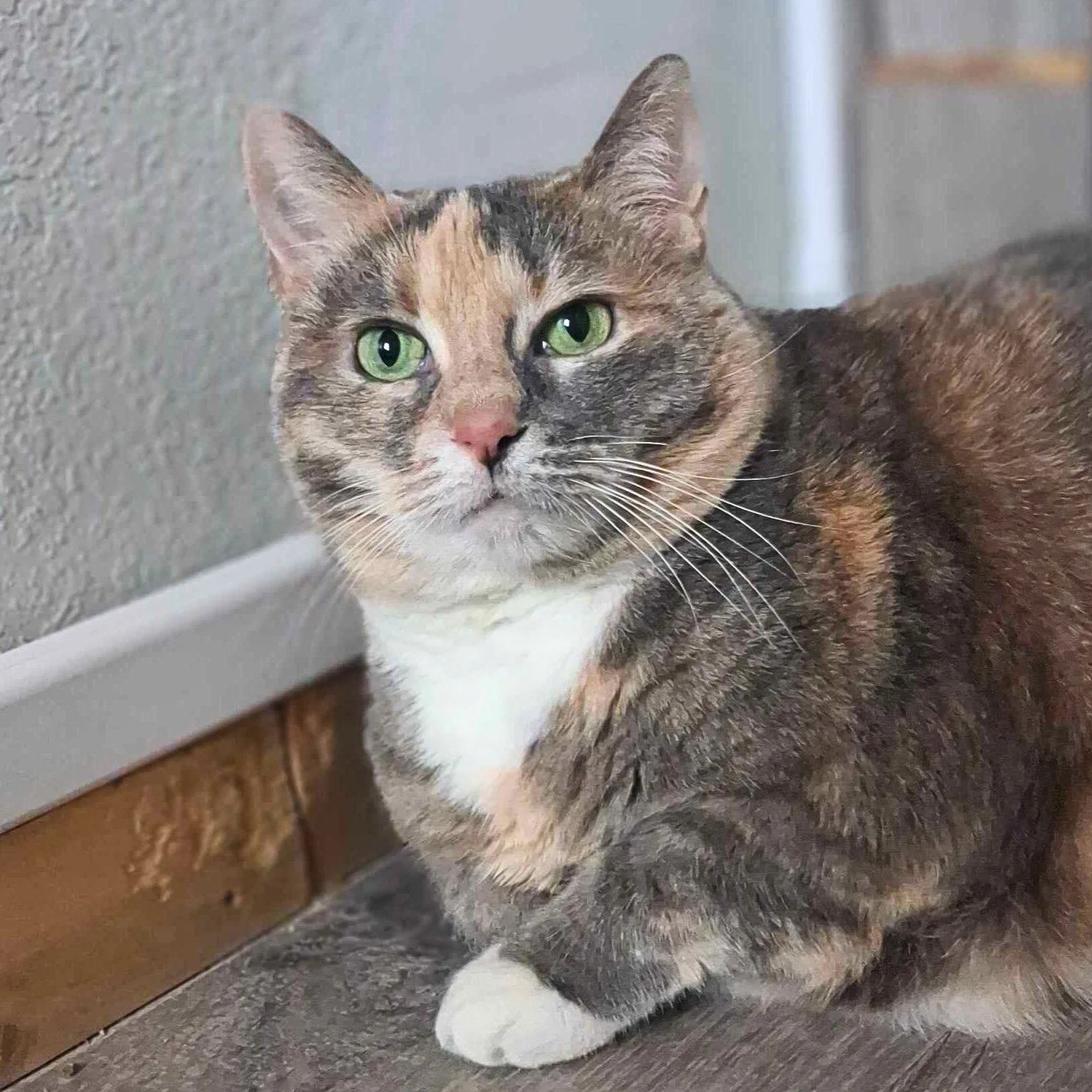
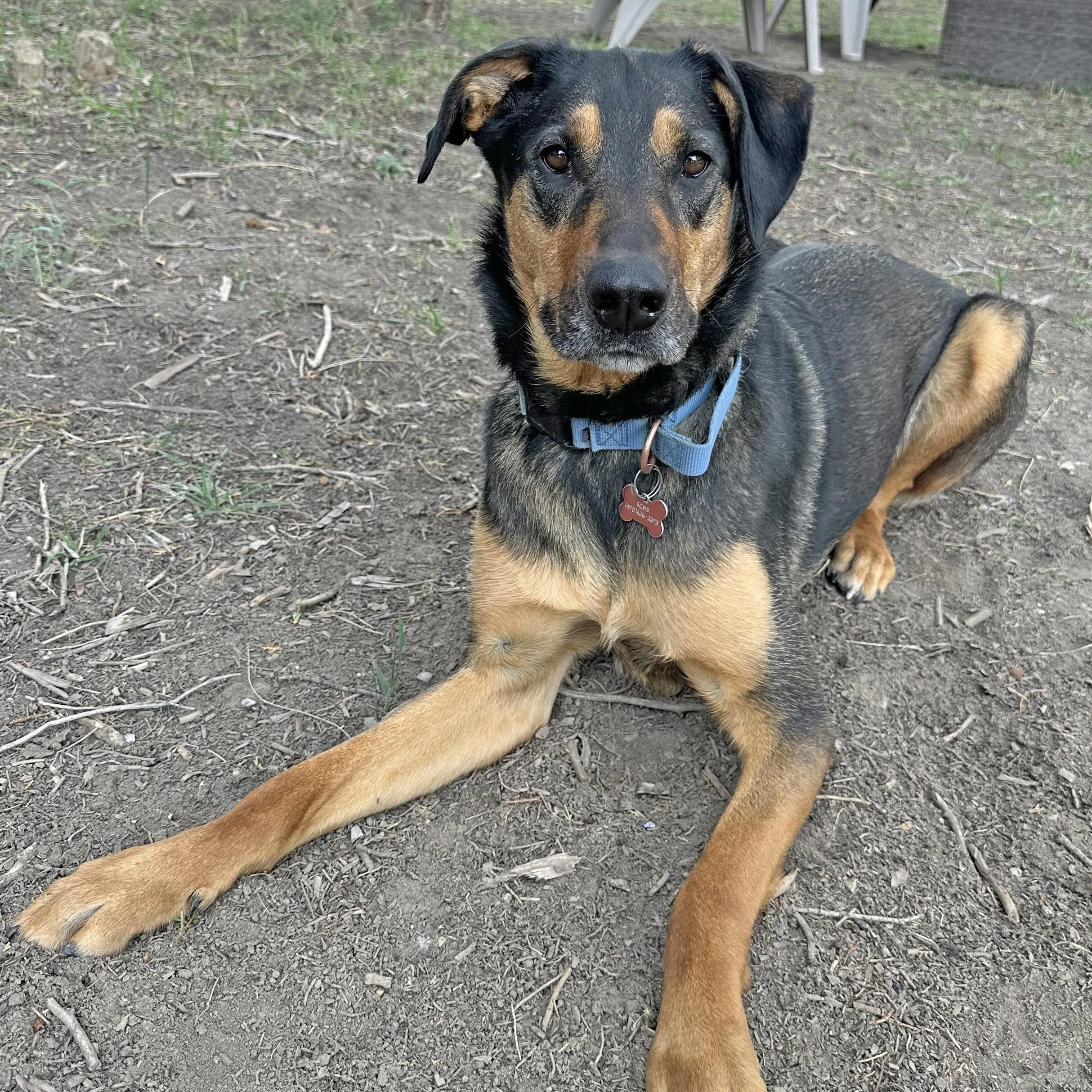

Keeping our pets healthy is one of the easiest ways to show our love for them. Not to mention how incredibly expensive veterinary treatment has become! Preventative care, such as vaccines and flea/tick medications, saves more than just your wallet– they could save your furry family member’s life. Even if your pet is an indoor pet or has little to no contact with other dogs and cats, vaccines are necessary. Vaccination can also protect you and your family by forming a barrier against several diseases that can be passed from animals to humans.
Pets should receive core vaccines—those medically necessary for all pets—and may need others depending on their lifestyle and where they live.
Did you know that it is legally required for dogs to be vaccinated against rabies in all 50 states? 34 states (including Colorado) require the same for cats. Rabies is nearly 100% fatal once clinical symptoms appear. It causes progressive neurological issues that lead to death, and is transmitted via bite of an infected animal. Rabies is a zoonotic disease, meaning humans can contract it from their pets. Veterinarians reccomend giving puppies their first rabies shot at around 3-4 months old, then a booster one year later, and then they can get a 3-year vaccine for the future.
Dogs should also receive their DHPP. This is a combination vaccine that protects dogs against Canine Distemper (a heartbreaking disease that affects the respiratory and nervous systems and is often fatal), Hepatitis (which can lead to acute or chronic liver inflammation), Parainfluenza (a respiratory infection), and Parvovirus (causes severe vomiting, diarrhea, and dehydration and is life-threatening for unprotected pets). All of these diseases are incredibly dangerous, contagious, and highly fatal. DHPP vaccines are given on a regular schedule during puppyhood, then yearly into adulthood.
Depending on the dog’s lifestyle and location, a veterinarian may recommend additional vaccines. For dogs who spend time in boarding facilities or are often with other dogs, the Bordetella vaccine protects against a highly contagious respiratory disease. All dogs at SCHS also receive Leptospirosis vaccinations. Leptospirosis is a bacterial disease spread via contaminated water, soil, and urine. Similar to rabies, it is zoonotic.
In addition to rabies, cats should receive a combination vaccine commonly called FVRCP. This vaccine protects cats against Feline Viral Rhinotracheitis (an infectious respiratory disease and lifelong infection that leads to recurrent flare-ups), Calicivirus (a respiratory disease, often characterized by oral and nasal ulcers), and Panleukopenia (a viral disease that causes life-threatening blood cell deficiencies, vomiting, diarrhea, and dehydration). Many vets would also reccomend vaccinating against FeLV, or feline leukemia, which can be a lifelong infection that leads to a weakened immune system and chronic illness.
Talk with your veterinarian about your pet's lifestyle, including any expected travel to other geographic locations and/or contact with other pets or wild animals, as these factors affect your pet's risk of exposure to certain diseases.
Since 1994, the Animal Resource Center and the Shops of Second Chance Humane Society have been dedicated to serving animals in Southwestern Colorado. Our adoption hours are every day from 11 a.m. to 5:30 p.m. We are located at 177 County Rd 10, Ridgway, CO. You can view our shelter pets and services online at secondchancehumane.org.