
Is Your Cat In Pain?
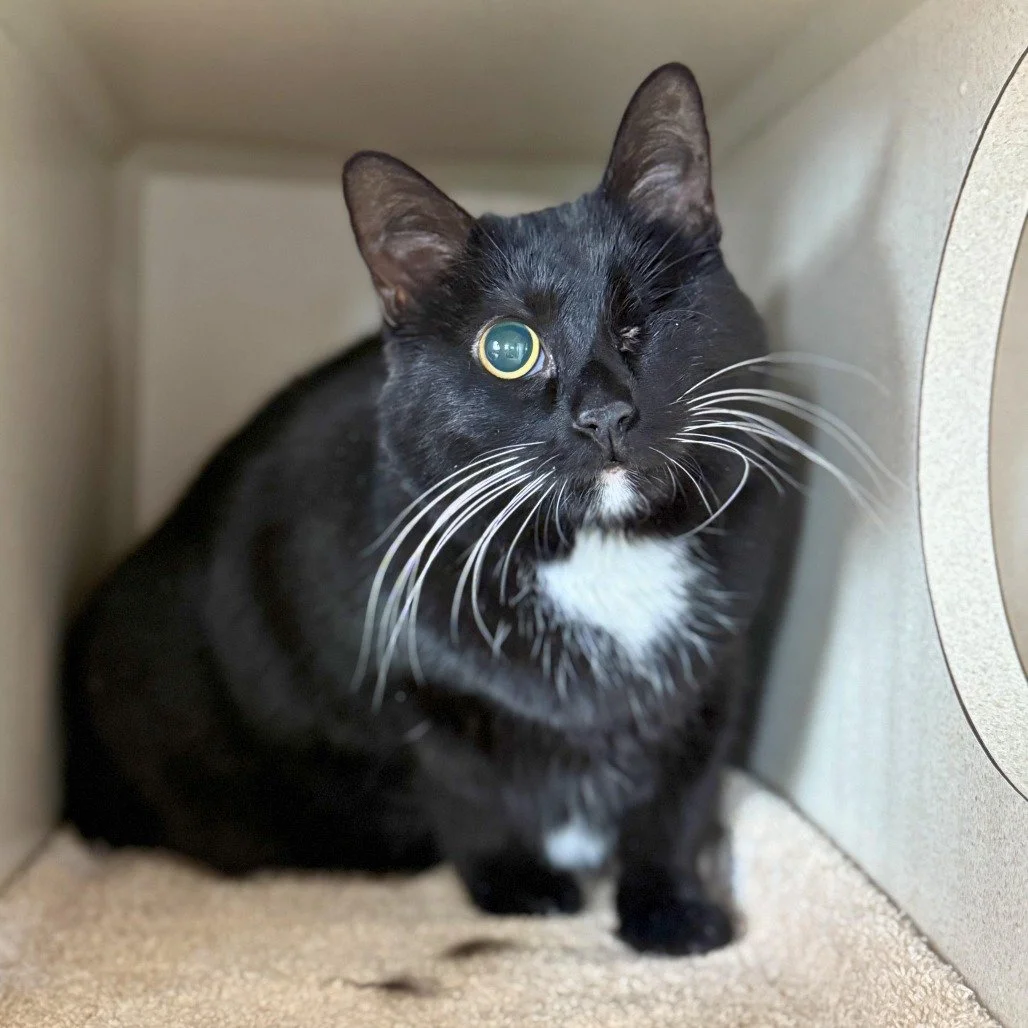
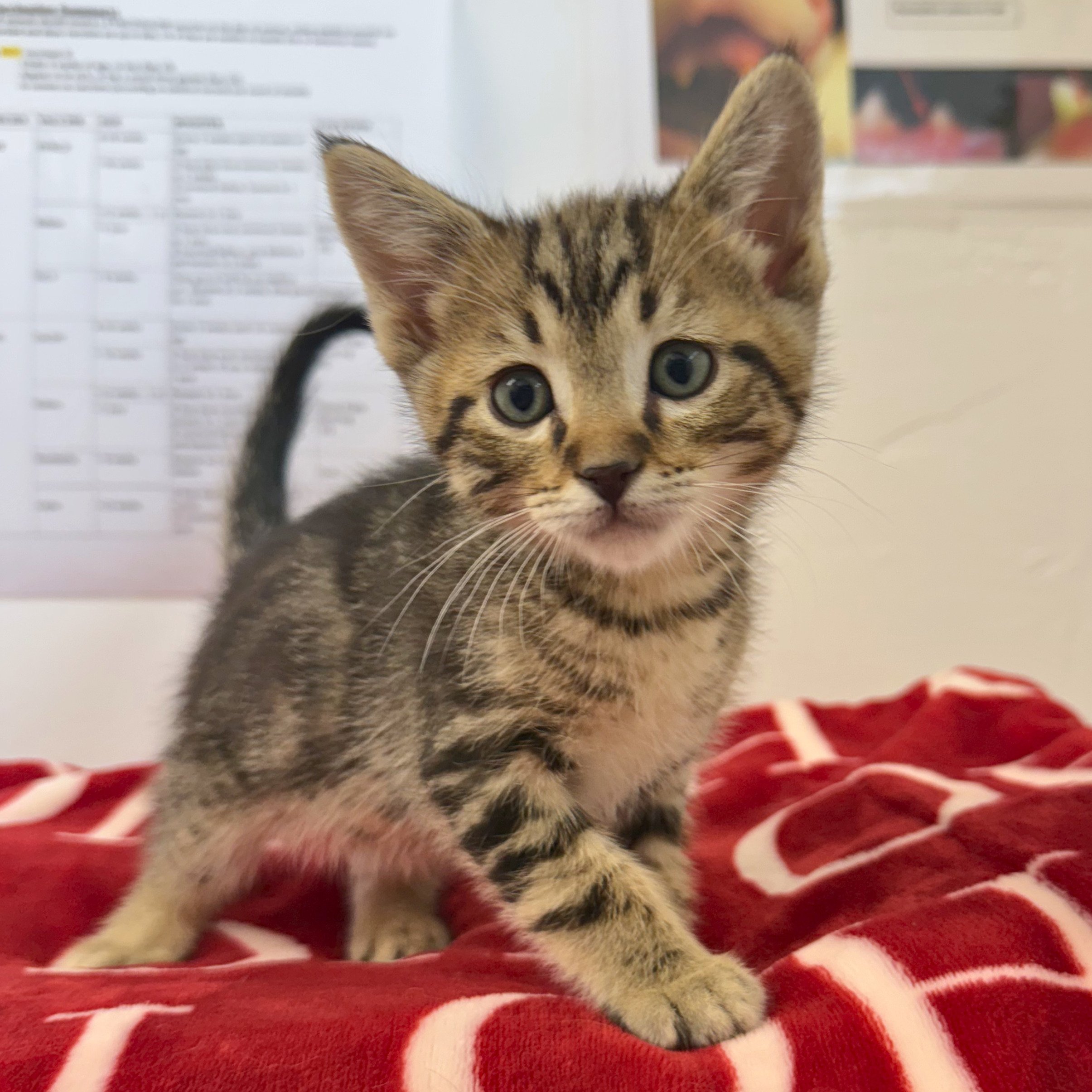
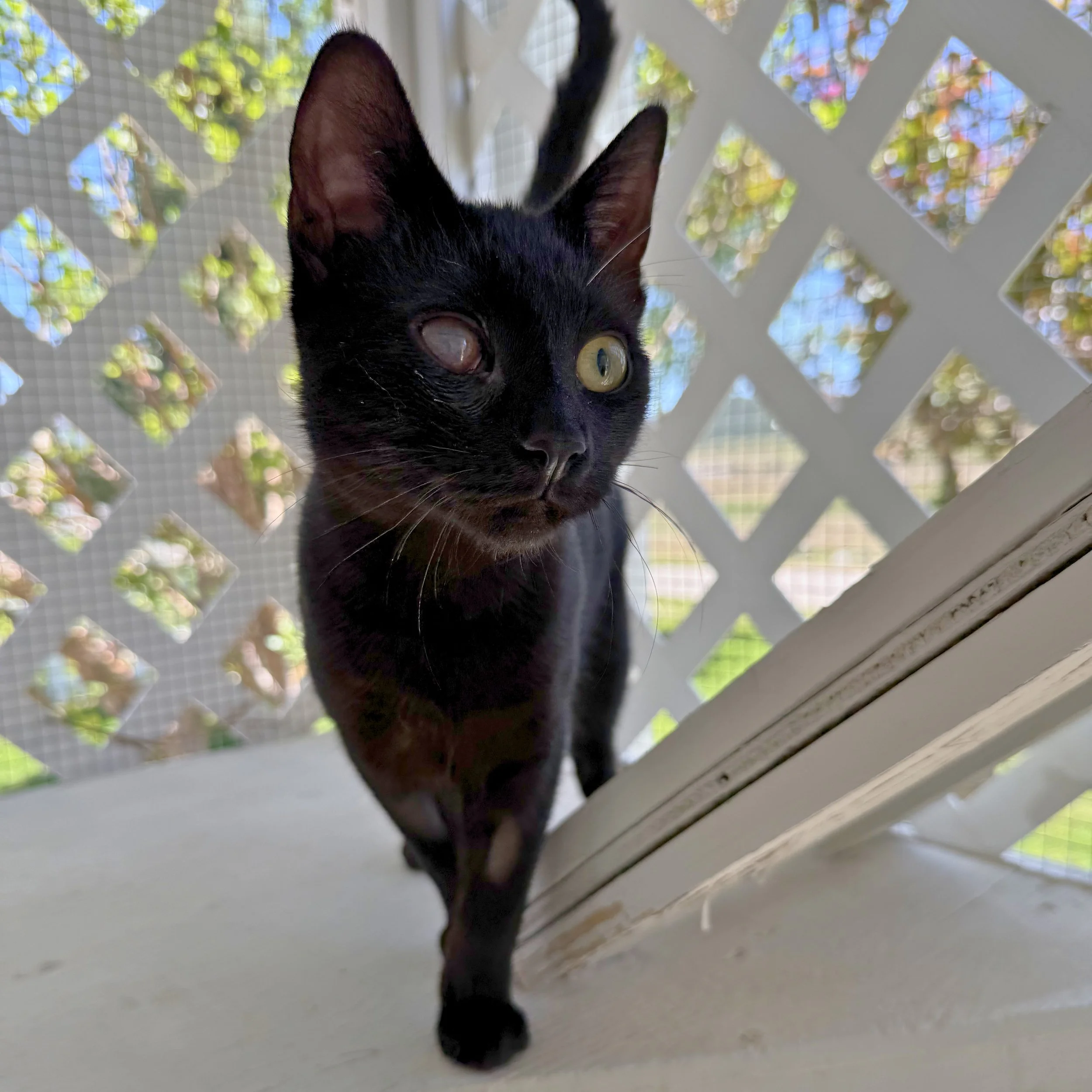
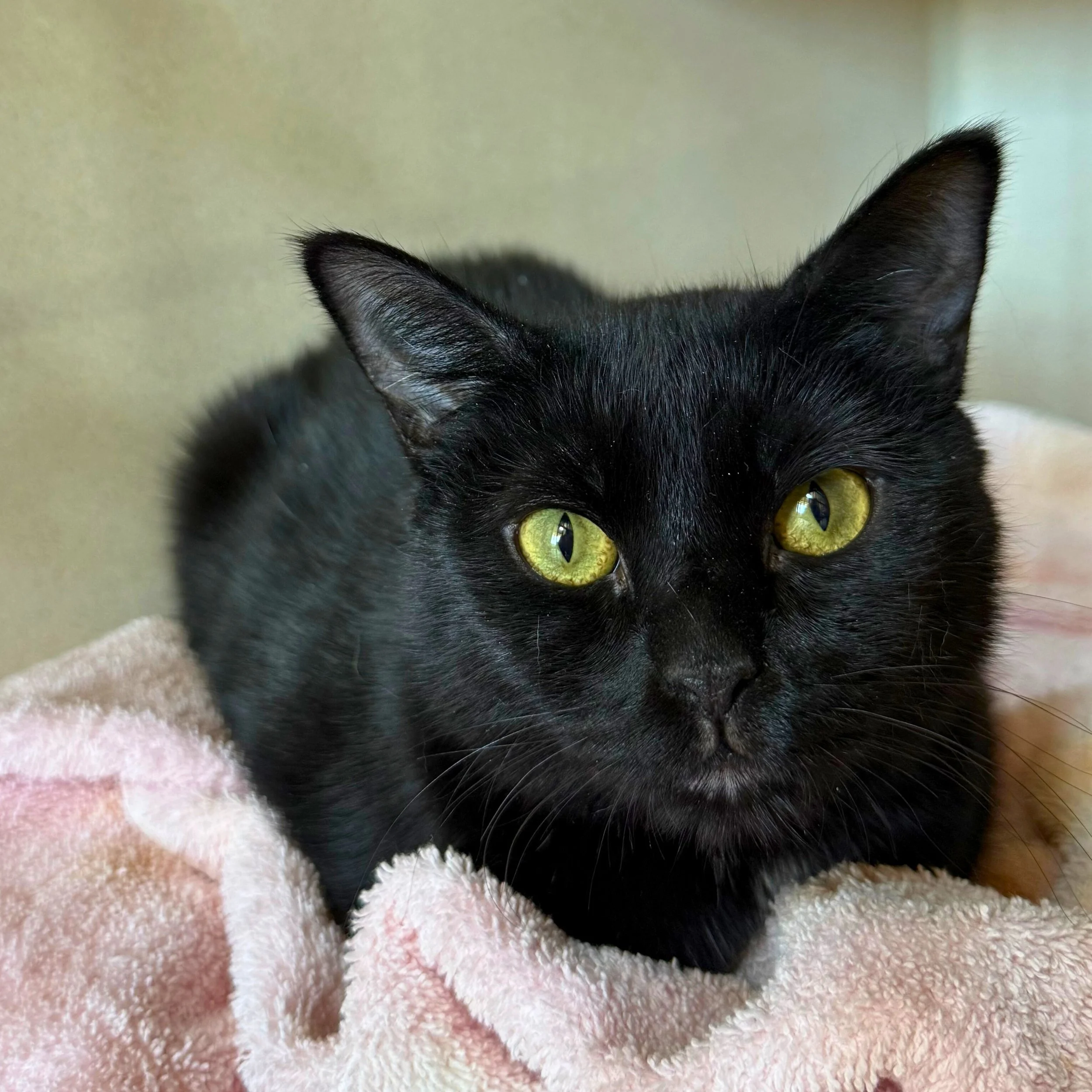
Cats are masters of many things: landing on their feet, making their humans laugh, and catching the occasional insect. Another skill our graceful feline friends possess, which many pet owners don't realize, is the ability to hide their pain. Unlike dogs, which may limp or whine to signal discomfort, cats often retreat and behave more cautiously, making it harder to recognize when they are unhappy or in pain.
This quiet behavior is an instinctive response that dates back to their wild ancestors, when appearing weak could make them more vulnerable to predators. Because of this, it is incredibly important to pay attention to your cat's behavior and notice any changes in routine, as they could be subtle signs of pain, illness, or discomfort.
Changes in fur and coat maintenance are often clear warning signs. Healthy cats take care of their coats through self-grooming or communal grooming in multi-cat households. Typically, they prefer their fur to be immaculate! If you notice your cat's coat becoming dull, greasy, or matted and haven't seen them grooming as usual, consider scheduling a veterinary appointment. On the other hand, excessive grooming in one or more areas, especially if it leads to bald patches, can indicate discomfort, pain, or irritation.
Behavior changes can also indicate that something is wrong. If your normally cuddly lap cat suddenly has no interest in coming out from under the bed and hisses when touched in areas where they previously enjoyed being petted, these are not typical behaviors for that cat. Think of it a bit like being hangry. When you're hungry, you're not feeling your best and may react more strongly to things that normally wouldn't bother you. Similarly, uncharacteristic aggression or sudden social withdrawal in cats may indicate pain or illness.
Increased vocalization is another important sign to monitor, particularly during elimination. Straining or vocalizing while using the litter box should always be taken seriously. Difficulty urinating, especially in male cats, can become a life-threatening emergency and requires immediate veterinary attention. Outside the litter box, meowing or yowling more than usual, as well as purring at unexpected times, can also signal discomfort.
Always monitor your cat for changes in appetite and water intake. A decreased appetite may indicate dental pain, gastrointestinal issues, or other medical concerns. Changes in water consumption can also signal underlying health problems that should be evaluated by a veterinarian.
There are many subtle ways your cat may let you know they are in pain. It's important to pay attention to any behavioral changes or shifts that seem unusual. You know your pet best, so if something seems off, it probably is. The sooner pain or illness is identified, the sooner it can be treated, helping your cat return to a happy, healthy life.
Since 1994, the Animal Resource Center and the Shops of Second Chance Humane Society have been dedicated to serving animals in Southwestern Colorado. Our adoption hours are every day from 11 a.m. to 5:30 p.m. We are located at 177 County Rd 10, Ridgway, CO. You can view our shelter pets and services online at secondchancehumane.org.