
Fix By Five
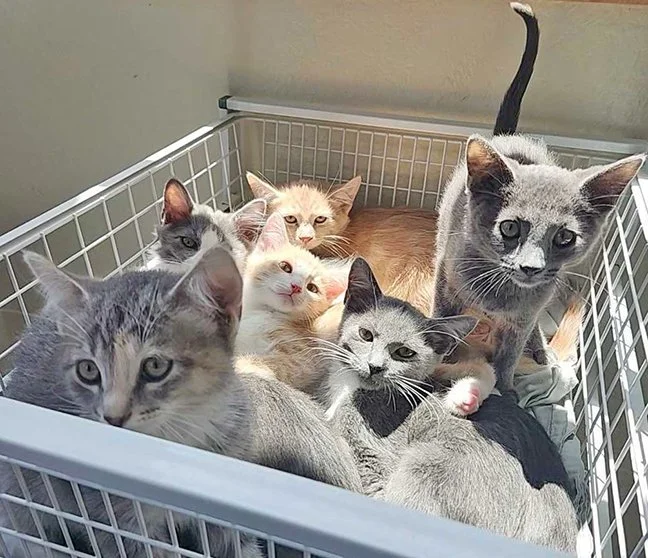

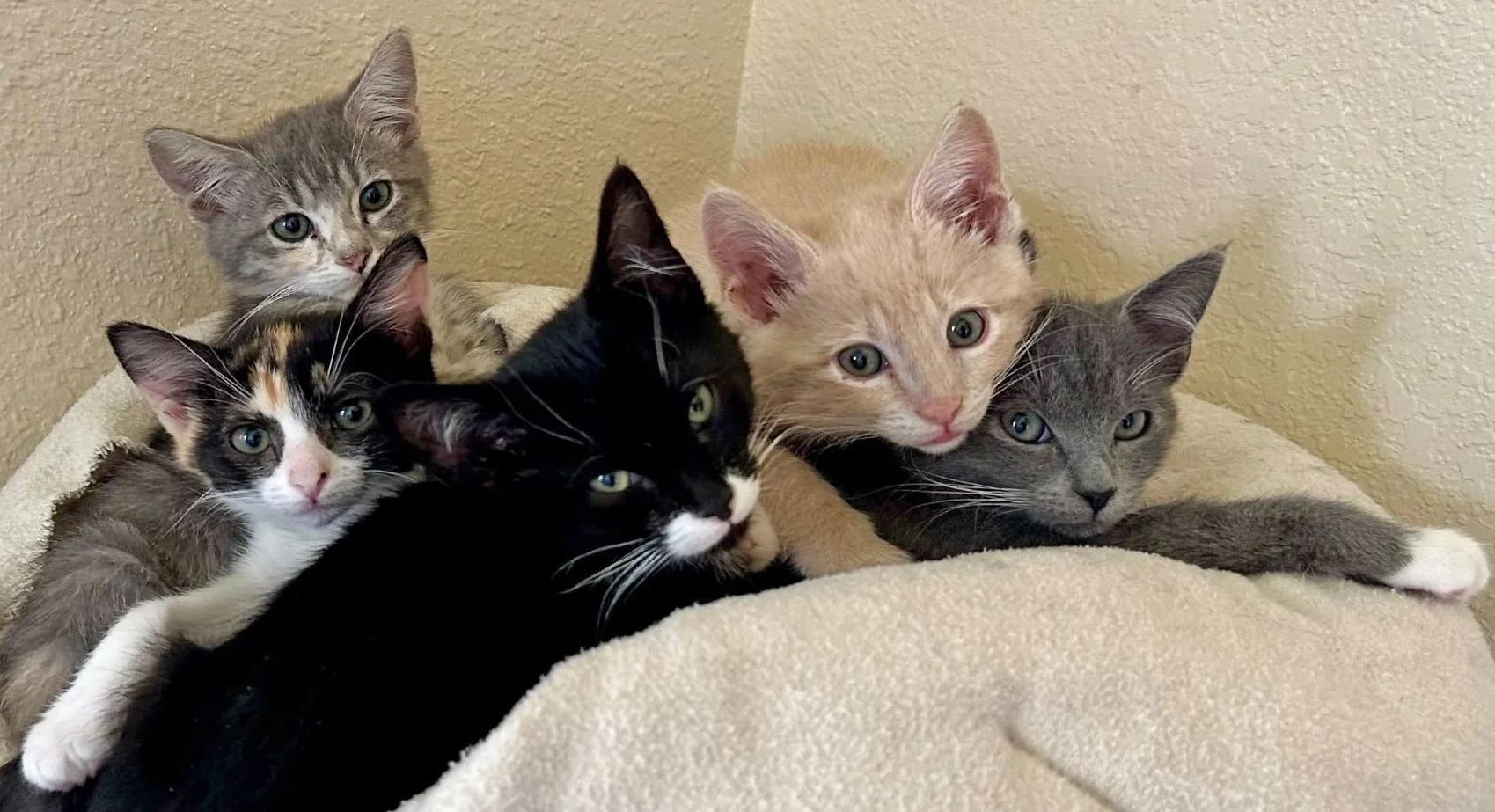

Millions. That’s how many surplus, unwanted kittens are born every single year. Some will find their way into shelters and eventually be adopted. Many won’t. Many will grow up in unmanaged cat colonies, never receive proper medical care, and go on to produce thousands more kittens over their lifetimes.
Female cats can reach sexual maturity as early as four months old—which means, yes, kittens can have kittens!
The question of when pets should be spayed or neutered has been debated in veterinary medicine for a long time. For years, the standard recommendation was to wait until cats reached six months of age, however, this guidance is based on outdated information. A six-month-old cat may have already gone through a heat cycle or even given birth to a litter. Today, veterinary professionals and animal welfare experts agree that spaying and neutering cats before five months of age is safe, effective, and essential.
The Feline Fix By Five campaign was launched by Esther Mechler of Marian’s Dream in partnership with the United Spay Alliance. The initiative emphasizes early spay and neuter as a critical tool in combatting the ongoing cat overpopulation crisis. Fixing cats before five months of age offers significant medical and behavioral benefits. It also reduces strain on shelters and communities.
In the United States, cats are approximately 1,500 times more likely to die from mammary cancer than to contract rabies. Each year, an estimated 200 to 300 cats die from rabies, while roughly 75,000 die from mammary cancer. Rabies remains rare in domestic animals thanks to strict vaccine protocols and effective control programs. Mammary cancer, on the other hand, is common and often fatal—but it is largely preventable. Spaying female cats before their first heat cycle reduces the risk of mammary cancer by 91 percent, according to the American Veterinary Medical Association.
Early sterilization also helps prevent many of the behaviors that commonly lead to rehoming or abandonment. Male cats neutered before five months of age are far less likely to spray urine to mark territory and tend to be less aggressive. Female cats spayed early avoid heat-related behaviors such as yowling and restlessness, and, of course, the risk of unintended pregnancy. Without the hormonal drive to roam, altered cats are more likely to stay close to home, keeping them safer and healthier overall.
Communities across the country are struggling with the consequences of uncontrolled cat populations. Unfixed stray cats reproduce quickly, forming colonies that become unmanageable in a short amount of time. Cat related complaints often rank among the top calls to animal control and public health departments. Large community cat populations also have serious environmental consequences, particularly for bird populations and local biodiversity. Meanwhile, as shelters fill with kittens, adult cats—who are just as loving and deserving—are frequently overlooked.
Fixing cats before five-months-old is one of the simplest and most effective ways that we can help break this cycle. By embracing Fix By Five, we reduce shelter overcrowding, improve feline health and behavior, protect wildlife, and prevent needless suffering before it begins. Every kitten born into this overwhelmed system represents not just a number to be counted, but a life at risk. Early spay and neuter isn’t just a recommendation—it’s a proven solution.
Since 1994, the Animal Resource Center and the Shops of Second Chance Humane Society have been dedicated to serving animals in Southwestern Colorado. Our adoption hours are every day from 11 a.m. to 5:30 p.m. We are located at 177 County Rd 10, Ridgway, CO. You can view our shelter pets and services online at secondchancehumane.org.